If you don’t tolerate glycine, consider this deficiency.
This also applies if you don’t tolerate collagen and bone broth (which contain a lot of glycine), but there could be other reasons in those two cases.
Glycine is an extremely important amino acid involved in the production of connective tissue (hair/skin/nails/bones), detoxification pathways, sleep, and brain function. And almost everyone eating a modern diet is deficient.
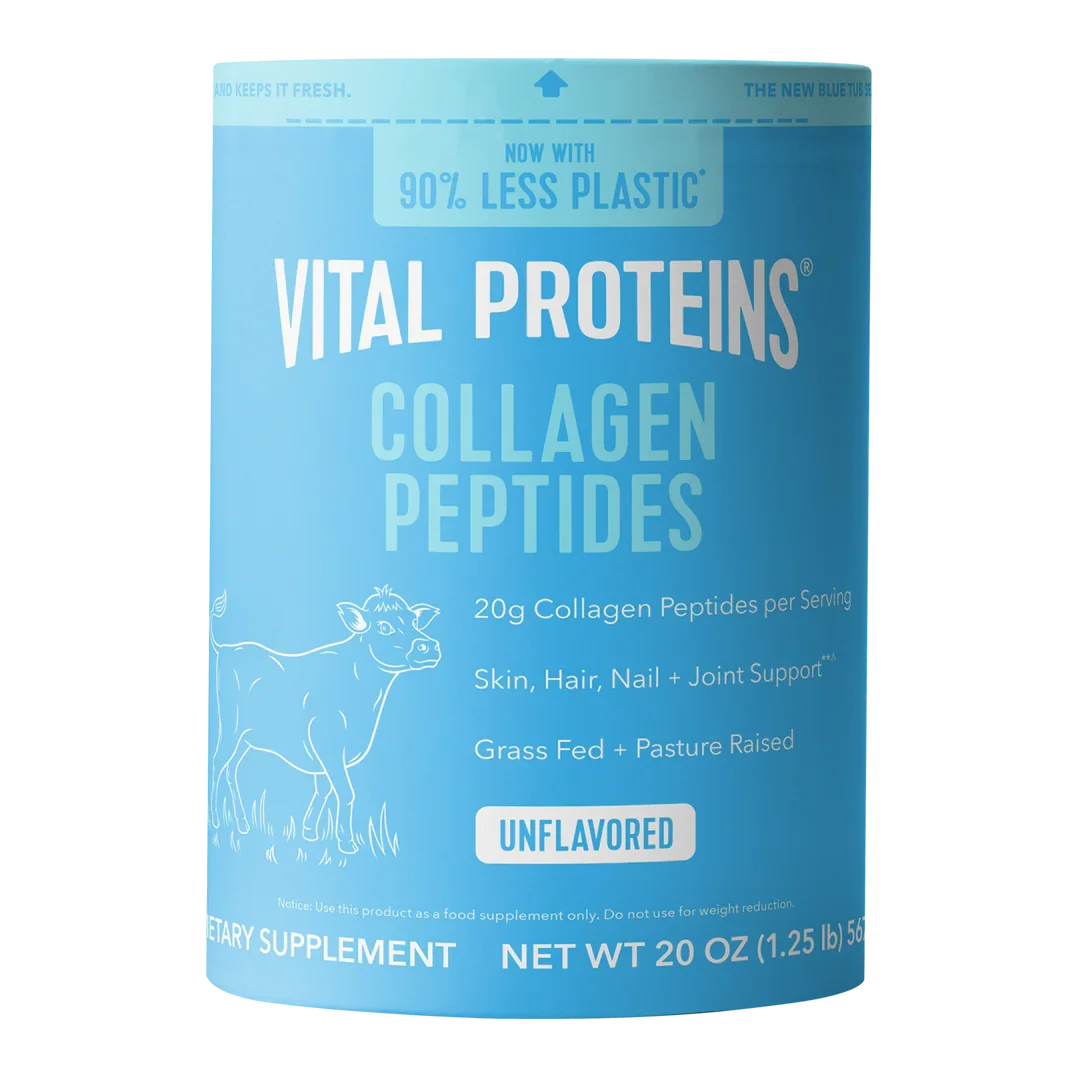
I have personally been routinely recommending ~10 grams per day for years based on the research suggesting that it is not only conditionally essential (i.e. your body needs you to consume it in certain cases where it can’t make enough on its own) but massively underconsumed at the population-level.
This knowledge appears to have just gone mainstream. See, for example, Dr. Berg’s recent video recommending 10 grams of glycine per day, here.
The problem is that not everyone tolerates glycine very well. And as I’ve seen time and again in my own clinical practice, that includes people who actually need more of it for their bones, hair health, joints, detox pathways, sleep, and brain function.
What’s the cause of this?
There are two possible fundamental issues here:
(1) NMDA overactivation
and
(2) Oxalate toxicity
I’ve spoken about glycine and NMDA overactivation in my Roadmaps to Health membership. NMDA overactivation tends to manifest as:
headaches
light sensitivity
inner tension
sensitivity to soy sauce, MSG, and liquid aminos
sensitivity to glutamine supplementation (often taken for gut issues and athletic performance)
broad nerve pain
nonrestorative sleep
Glycine and oxalate toxicity, however, is a completely different issue. In these cases, the body is overloaded with a toxic molecule called oxalic acid/oxalate, and glycine can, in some specific cases, slightly increase the instantaneous load of oxalate and exacerbate symptoms.
Beyond kidney stones (which only happen in some cases of oxalate toxicity), oxalates can cause a very broad range of symptoms including:
chronic fatigue (from poor ATP production),
headaches,
joint pain,
inflammatory problems,
IBS,
on/off diarrhea,
post-exertional malaise (i.e. feeling really bad after any form of exertion including exercise),
and much more.
Glycine has the potential to contribute symptomatically to both of these issues (without causing much real underlying harm). Where is the overlap?
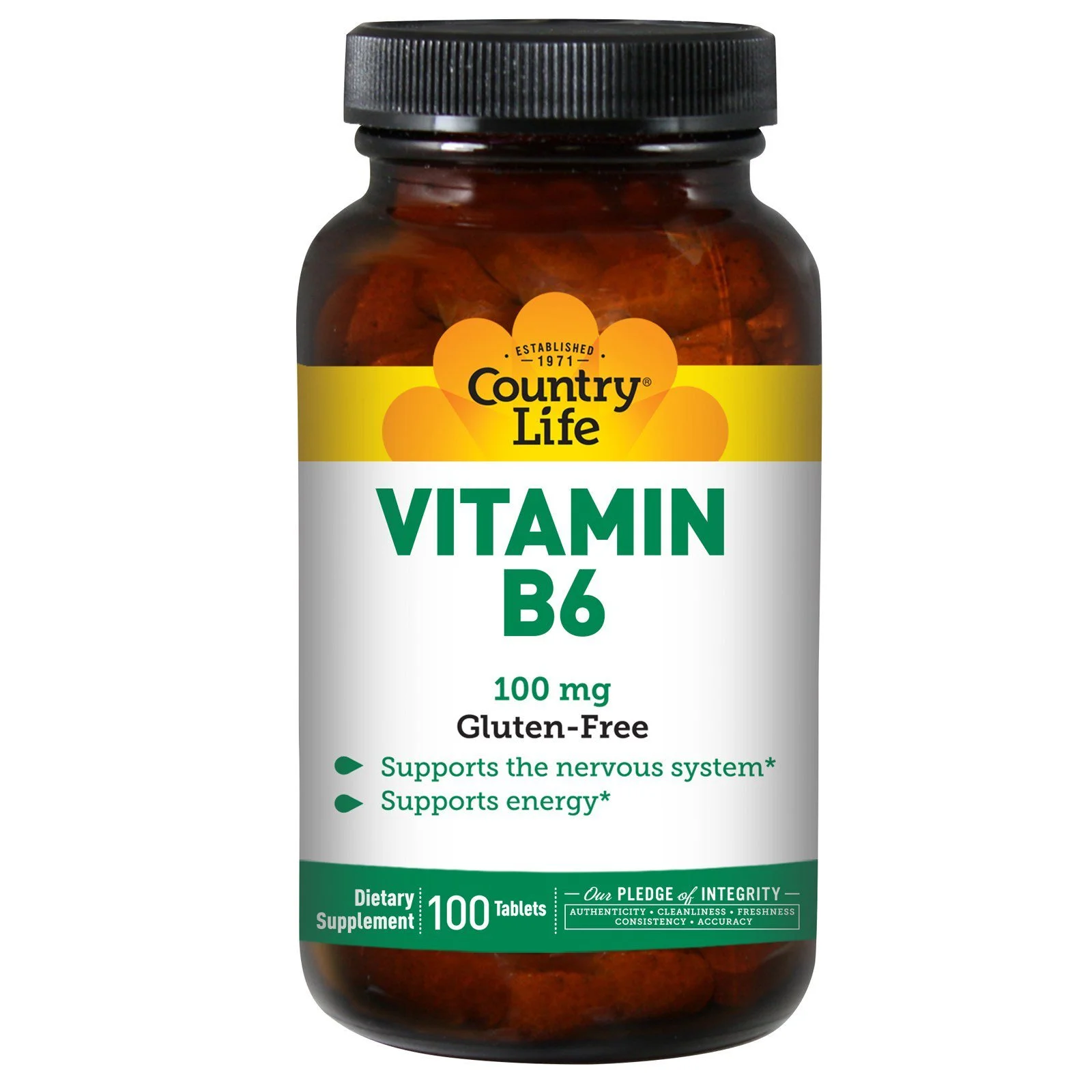
NMDA overactivation and oxalate toxicity converge at vitamin B6.
Vitamin B6 in its active pyridoxal-5-phosphate form (P5P or PLP) is necessary for the conversion of glutamate (the brain’s main excitatory neurotransmitter) to GABA (the brain’s main inhibitory neurotransmitter.
Glycine can cause more glutamate-like activity if B6 is not sufficient or functional.
Vitamin B6/P5P is also necessary for proper metabolism of oxalates. A lack of functional vitamin B6 can lead glycine (among other things) to be funneled down the oxalate-producing pathway.
Very importantly, however, these issues are often not corrected by supplementing B6, which can indeed lead to toxicity (see my many blog articles on that). Often the issue is an assimilation/delivery/activation problem, which requires a little more nuance to correct.
The optimal approach is to:
ensure that B6 activity is actually an issue through proper testing,
then first address any and all issues that could be limiting the delivery and function of B6,
and only then attempt low dosage, carefully titrated vitamin B6, using higher dosages only if necessary.
EVERYTHING in this article is purely educational and informational in nature. None of this is medical advice. Make no health changes based on this article. I am not your doctor. Discuss any and all implementations with your own doctor.













This short article has the potential to be highly impactful for the subset of people dealing with the following exact intersection of macroscopic bodily issues:
GI issues (e.g. IBS, IBD, SIBO, slow digestive motility, etc.)
post-exertional malaise (which we’ll call PEM, from now on, i.e. feeling real bad after exercise and other exertion),
and migraines.